The returnus by Joaquin Camp
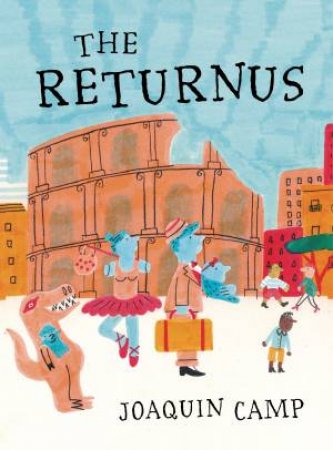
Four statues in a museum decide that it is time to return home. A Neptune like man with a trident, a Venus like female Greek statue, a bust that looks like Julius Caesar and a statue of a thinker, all decide that they need to be home. They raid the lost and found collection, clothing themselves in outfits that might help them fit in. They say goodbye to their friends then find their way to the sea, catching a ship to Italy. They feel immediately that they have found home but what to do next. They find Julius Caesar at the Colosseum and he uses words that are strange to them, telling them to get out of his spotlight.
They explore the city, deciding that things have changed so much that there is no longer a place for them.
Finding themselves in a forest, they take shelter, even suggesting they return to the museum. But Elvira greets then and asks them to go to her house. Here she feeds them, even though they cannot eat, and gives them a bath, their first in two thousand years, before they are tucked into bed to sleep. They find a life for themselves in Elvira’s garden, the most beautiful backyard in the village.
They are home.
Distinctive illustrations support the story as the four statues search for their home.
Using only a few colours, the wonderful characters are brought to life as they don modern clothes and search for that part of the ancient world they came form.
Kids will enjoy recognising the places they go to, and the places they were from. The ideas promoted by the story will encourage readers to think about some major issues felt by museums and countries today. Just where do the statues belong? How did they get from their countries of origin to a museum far away? The title, The Returnus, is a humorous nod to the idea of returning cultural artefacts to the country of origin. This is called Repatriation and is an idea being discussed widely.
The illustrations evoke details of some places the statues would have known during their lifetimes two thousand years before, and will encourage readers to find out what they are and where to see them.
Themes: Humour, Rome, Statues, Museums, Repatriation, Cultural icons.
Fran Knight